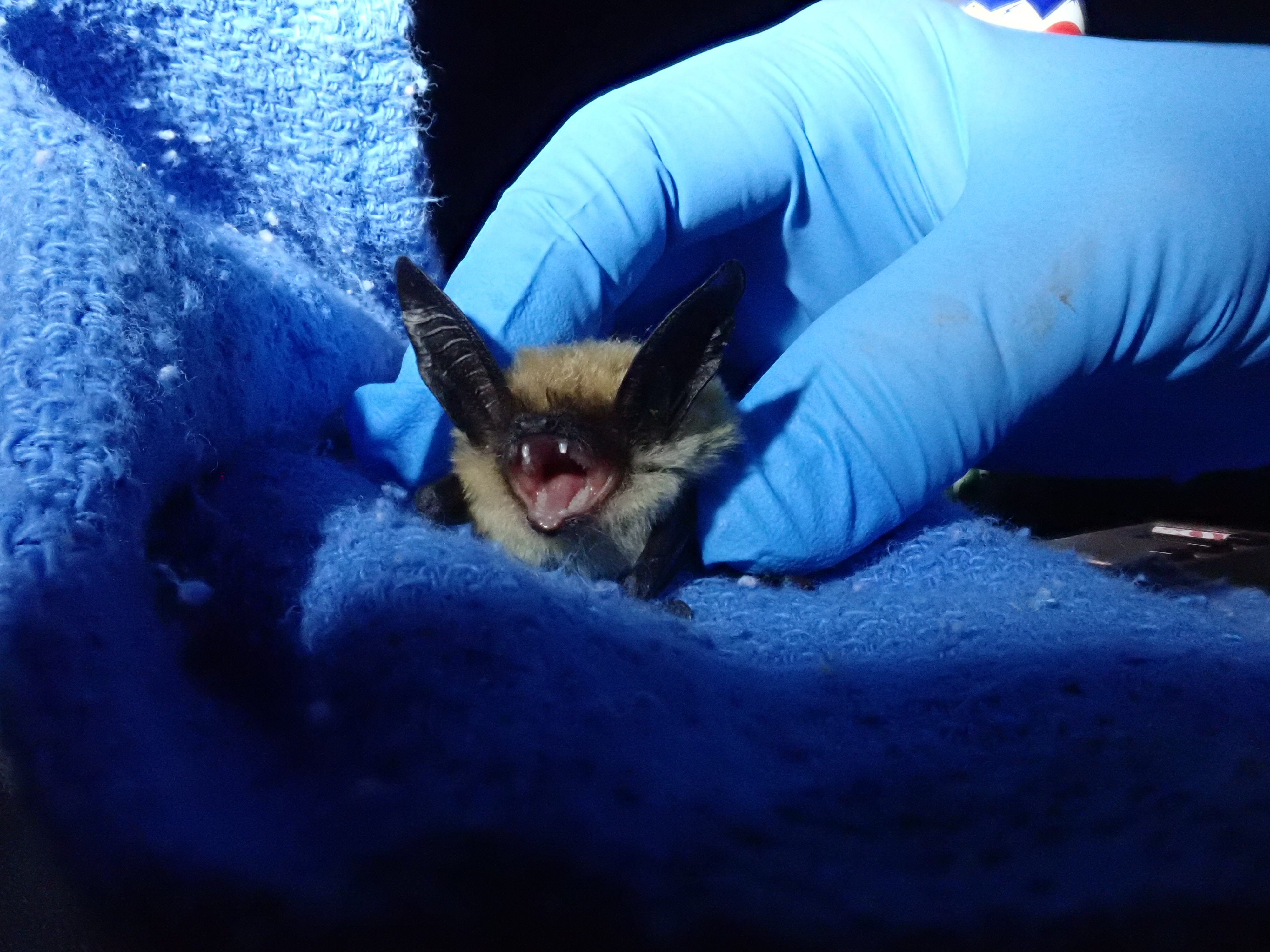
San Diego County has identified 43 rabid bats so far in 2026, double the previous annual record, as a national surge in rabies exposures prompted a federal health advisory.
The county confirmed the record count Friday, Sept. 11, according to the San Diego County News Center. That announcement came one day after the U.S. Centers for Disease Control and Prevention (CDC) issued a Health Alert Network advisory warning of rising human rabies exposures across the country. The previous county record was 21 rabid bats, set in 2025.
The 43rd bat was found dead near the Mombasa Restaurant at the San Diego Zoo Safari Park at 11:30 a.m. on Sunday, Sept. 6. Safari Park employees discovered the animal, which was not part of the park's collection. The County Public Health Lab confirmed the rabies diagnosis. No human contact was reported.
"It is imperative that people respect the space of wildlife and do not touch them for the safety of animals and people," County Public Health Officer Sayone Thihalolipavan said.
The CDC advisory, issued Thursday, Sept. 10, cited a 17% increase in rabies-related inquiries from July through August 2026 compared with the same period in 2025. At least eight state health departments reported increased use of rabies post-exposure prophylaxis (PEP), administration errors or both during that span. A typical course of PEP costs between $11,000 and $14,000 per person, according to the advisory.
Pharmacy data through Sept. 2 showed rabies vaccine use nationwide had risen an estimated 33% year over year. Use of rabies immunoglobulins jumped an estimated 76%.
Rabies is nearly 100% fatal once symptoms appear, but PEP given before symptoms start is highly effective, according to county public health officials. Symptoms can take weeks to months to develop after exposure.
What residents should know
Bats are most active around sunset. County public health officials say rabies risk occurs when a person has direct contact with a bat, including touching, holding or being bitten.
Anyone who touches a bat should wash the area with soap and water and seek medical advice. Residents who had direct contact with the Sept. 6 Safari Park bat should call the county's Epidemiology unit at (619) 692-8499.
Bats remain an important part of the local ecosystem. Local species help control insects, including mosquitoes, and some pollinate plants while feeding on nectar.