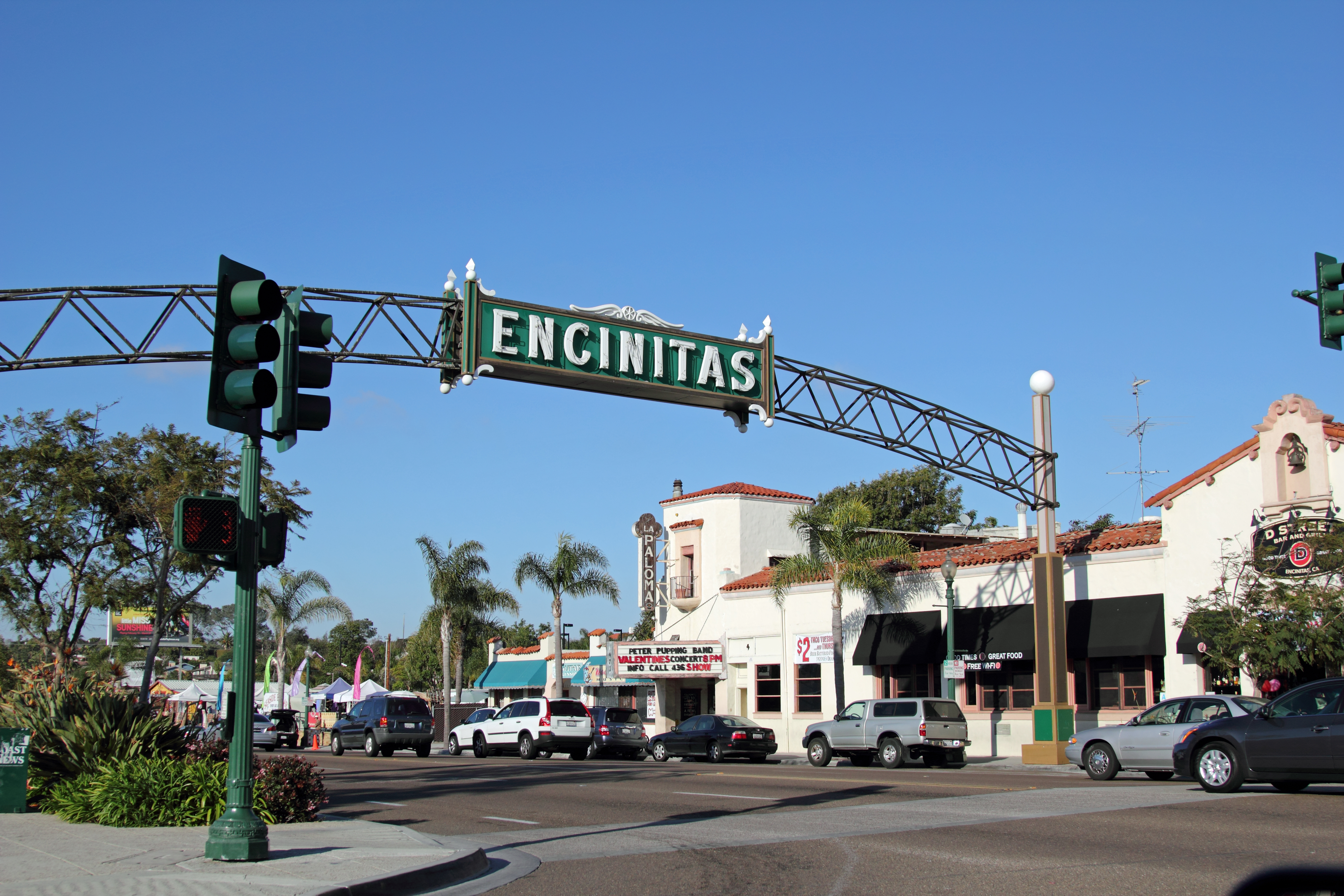
The Encinitas City Council voted 5-0 on Wednesday, Aug. 26, to allow housing on commercially zoned land across the city, adopting Ordinance 2026-10.
The ordinance adds a new chapter to the city's zoning code governing residential development in commercial zones under two state laws: AB 2011, the Affordable Housing and High Road Jobs Act of 2022, and SB 6, the Middle Class Housing Act of 2022. Both laws took effect July 1, 2023, and allow housing on commercial property statewide, but Encinitas had not yet written local rules to govern how those projects would look and proceed.
The city's public notice said the ordinance establishes the maximum local control allowed under state housing law. The city framed the move as a way to set clear standards before developers file applications under the state laws, which include strict timelines and ministerial approval requirements.
Mayor Bruce Ehlers, Councilmember Joy Lyndes, Councilmember Jim O'Hara, Councilmember Marco San Antonio and Councilmember Luke Shaffer all voted yes.
The council first introduced the ordinance at its Aug. 12 meeting, also unanimously.
What the ordinance does
Ordinance 2026-10 creates Chapter 30.21, "Residential in Commercial Zones Pursuant to State Law," in Title 30 of the Encinitas Municipal Code. It also amends two key planning documents: the Downtown Encinitas Specific Plan and the North 101 Corridor Specific Plan.
Both plans now include objective design standards covering site planning, building massing, ground-floor treatment, open space, exterior materials, landscaping, parking and service areas. Those standards apply to all multifamily and mixed-use projects in the specific plan areas, not only projects using AB 2011 or SB 6.
AB 2011 creates a ministerial approval path for qualifying mixed-income and fully affordable housing on commercial corridors. SB 6 allows residential development on commercially zoned property without requiring local rezoning, according to the Aug. 26 meeting agenda.
Local control a recurring theme
The tension between state housing mandates and local authority has been a persistent issue in Encinitas. Councilmember San Antonio, who represents District 4, spoke broadly about state housing mandates in an Aug. 2 interview with North County Pipeline when he announced his re-election campaign. He was not commenting specifically on this ordinance.
"It's plain as day to see these numbers (housing requirements) and see how the state uses their power, wield that power to make small cities like ours do what they want … For me, local control is one of the most important topics to jump onto because it's pretty incredible the power that they wield to force down these numbers," San Antonio said at the time.
The ordinance was placed on the Aug. 26 consent calendar as Item 10D, with Senior Planner Cadona listed as the staff contact. The item is exempt from the California Environmental Quality Act (CEQA) because it implements state law. Individual development projects would still undergo separate environmental review.
The full text of Ordinance 2026-10 is on file with City Clerk Pete Weichers at 505 South Vulcan Ave. and can be viewed between 8 a.m. and 5 p.m.
The next regular City Council meeting is scheduled for Wednesday, Sept. 9.