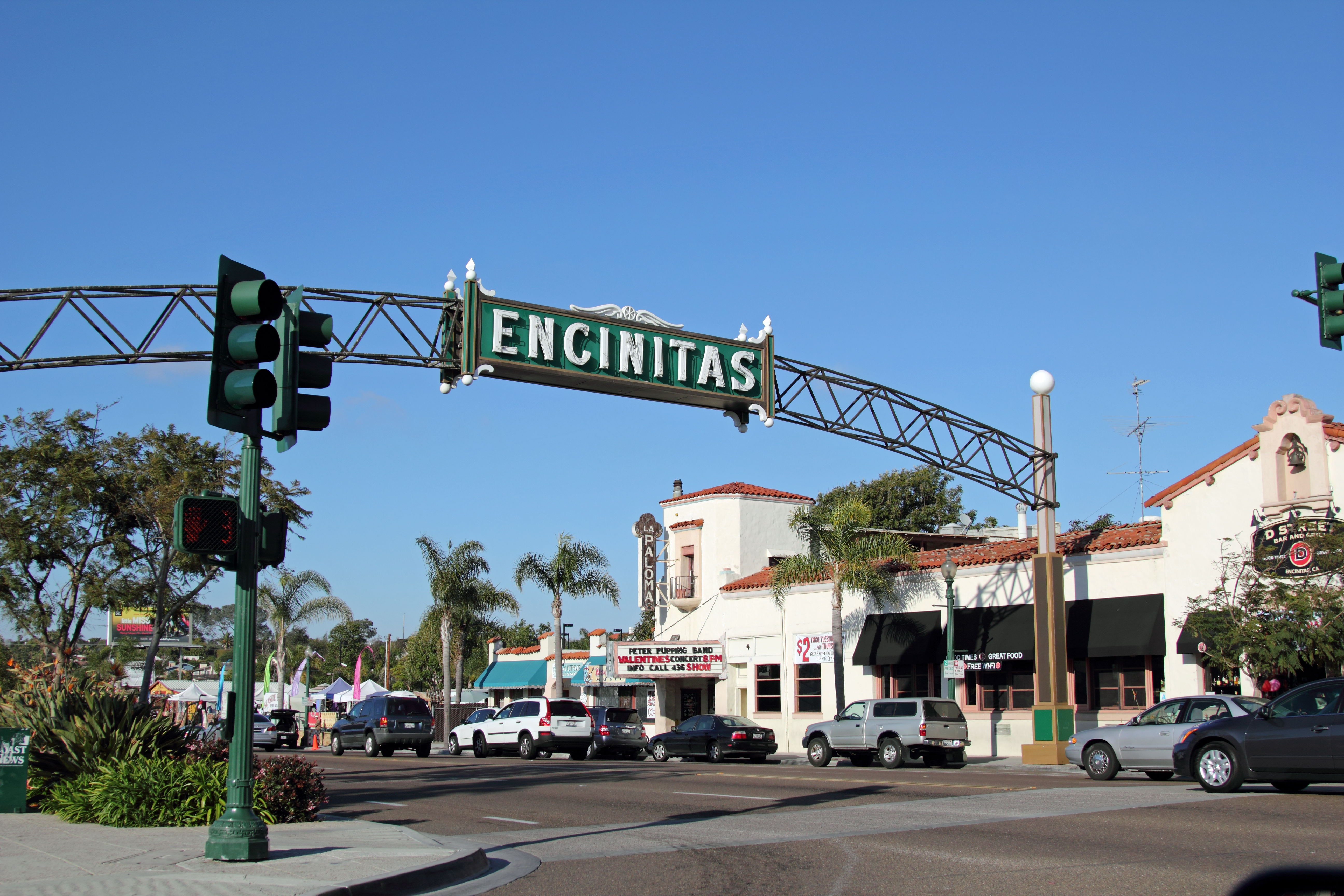
Encinitas could face rising sales tax rates without ever casting a local vote. A new state law creates a path for San Diego County rates to climb toward 10%, and the city is one of just six county cities that have never raised their rate above 7.75%.
Gov. Gavin Newsom signed AB 2484 on Sept. 27, giving the San Diego Metropolitan Transit System (MTS) an exemption from the statewide 9.25% sales tax cap, the San Diego Union-Tribune reported. The law, authored by Assemblymembers David Alvarez and Chris Ward, both San Diego Democrats, marks the first time a San Diego County agency has received such an exemption.
The exemption clears the way for a proposed half-cent MTS sales tax measure tentatively slated for the November 2028 ballot. MTS faces annual budget deficits of about $125 million starting in 2030, and the half-cent tax would generate $300 million per year, according to Ward.
That measure would stack on top of other potential increases. Countywide Measure B, a half-cent sales tax hike on the Tuesday, Nov. 3 ballot, would raise up to $450 million per year for health care, public safety, childcare and sewage projects. The San Diego Association of Governments has also discussed asking voters for additional transportation-related sales tax increases.
Encinitas's current 7.75% rate includes the state's 7.25% base plus a half-cent countywide TransNet surcharge for transportation. If Measure B passes, the city's rate would rise to 8.25%. Whether a future MTS tax would also apply to Encinitas depends on the city's inclusion in the MTS service area, which has not been confirmed.
"If the cap is breached in San Diego, the future could look like Los Angeles where no city is below 10%," Scott Kaufman, legislative director of the Howard Jarvis Taxpayers Association, told the Union-Tribune.
Encinitas voters already said no once. In November 2024, the city's Measure K, a proposed one-cent local sales tax increase, failed with nearly 52% voting against it, according to Voice of San Diego. It was the only North County sales tax measure to lose that cycle; Escondido, Oceanside and San Marcos each passed theirs by 60% or more.
The city's Infrastructure Task Force, a citizen volunteer group formed in 2023, had recommended the one-cent tax to generate $15.4 million annually and address a roughly $257 million infrastructure backlog covering 172 miles of streets, 152 acres of parkland and 66 miles of storm drains.
District 2 Councilmember Jim O'Hara, who won his seat in November 2024 while opposing Measure K, told Voice of San Diego in December 2024 that residents were frustrated by what they saw as misplaced spending priorities before the tax ask.
Supporters of AB 2484 argue the exemption simply lets voters decide. Ward told the Union-Tribune that San Diego's lower tax rates come with a cost, noting that government agencies miss out on statewide programs requiring matching funds.
Since 2009, the Legislature has routinely granted cap exemptions in Los Angeles County and the Bay Area. Rates in Palmdale and Lancaster have reached 11.75%, the highest in the nation. Santee voters are considering their own one-cent sales tax hike on the same Tuesday, Nov. 3 ballot.
No public statement from an Encinitas city official on AB 2484 appeared in city records as of Oct. 12. The city has no pending proposal to raise its local sales tax rate.