Two San Diego County children under age 5 are among 13 people sickened in a multi-state E. coli outbreak linked to raw milk cheese. County health officials are urging Encinitas-area residents to throw away all Sierra Nevada Graziers raw milk cheese in their homes.
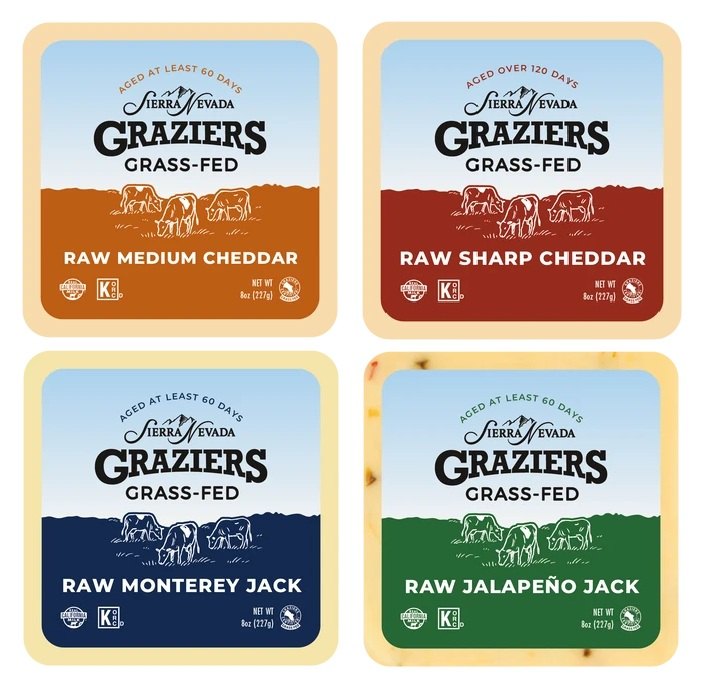
The U.S. Food and Drug Administration contacted Sierra Nevada Cheese Company on Thursday, Sept. 24, and recommended a recall. The company agreed the same day, pulling all four Graziers raw milk cheese varieties: medium cheddar, sharp cheddar, jalapeño jack and Monterey jack.
The products were sold in 8-ounce and 16-ounce packages at retail stores and online, and in 5-pound loaves to food service customers and wholesalers nationwide. No specific lot number or date code has been excluded.
Any package of the four varieties is covered.
The outbreak strain is E. coli O26:H11, a Shiga toxin-producing bacteria. Of the 13 confirmed cases across nine states, eight people were hospitalized and three developed hemolytic uremic syndrome (HUS), a serious condition that can cause kidney failure. No deaths have been reported.
Over half the patients are children 5 or younger, with a median age of 5. California has three confirmed cases, including the two San Diego County children. Nevada also has three. Colorado, Georgia, Kentucky, Michigan, Oregon, Tennessee and Utah each have one, according to the FDA.
Illness onset dates range from July 7 to Aug. 26. All nine people interviewed by investigators reported eating Graziers raw milk cheese in the week before they got sick. Genetic sequencing of bacteria from patients showed the samples are closely related, suggesting a common source, according to the Centers for Disease Control and Prevention.
The CDC noted the true number of sick people is likely higher because many recover without medical care and are never tested.
County Public Health Officer Sayone Thihalolipavan said the county's epidemiology team helped detect the outbreak early. "Raw milk products like unpasteurized cheese can carry dangerous bacteria, including Shiga toxin-producing E. coli," Thihalolipavan said in a Friday, Sept. 25, statement. "These infections can cause severe illness, especially in young children, pregnant women, older adults and people with weakened immune systems."
The CDC advises that choosing pasteurized milk and dairy products is especially important for children under 5.
The county shared recall information with local retailers, though no specific stores were named. San Diego County health officials recommend residents take these steps:
- Do not eat the recalled cheese. Throw it away.
- Check refrigerators and freezers. The cheese has a long shelf life. If cheese was stored without its original packaging and cannot be identified, discard it.
- Clean and sanitize all surfaces and utensils that may have touched the product with hot, soapy water.
- Seek medical attention if experiencing symptoms such as bloody diarrhea, severe abdominal cramps or signs of dehydration. Symptoms can begin a few days to nine days after eating contaminated food.
Consumers who purchased the recalled cheese may return it to the store where they bought it for a refund. The company said in a social media statement, as reported by ABC News, that the illnesses have been associated with its medium cheddar product but that it is recalling all varieties because the investigation has not identified a specific lot.
The FDA investigation is ongoing as of Friday, Sept. 25.